Introduction
Homeopathy has long been applied beyond human medicine. From companion animals to large-scale livestock operations, practitioners and farmers have explored the use of homeopathic remedies as part of animal health management for more than two centuries. In recent decades, the conversation around veterinary homeopathy has broadened considerably, particularly in areas such as sustainable agriculture, antibiotic stewardship, and integrative veterinary medicine.
For those already familiar with the principles of homeopathy individualisation, potentisation, and the principle of similars) the application to animals raises fascinating questions. Animals cannot articulate symptoms verbally, yet they often display clear patterns of behaviour, energy, and physical signs that experienced practitioners learn to interpret. In many ways, this can make case observation both challenging and remarkably precise.
Today, homeopathy for animals sits within a complex landscape that includes farming policy, animal welfare initiatives, and growing interest in holistic veterinary approaches.
A Long Tradition in Veterinary Practice
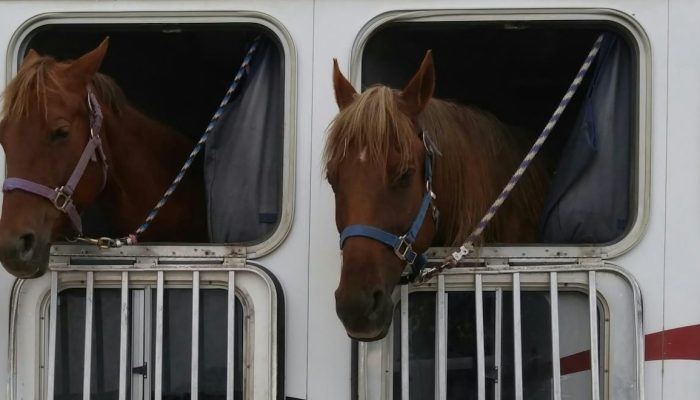
Homeopathy entered veterinary practice not long after its development in the late eighteenth and early nineteenth centuries. Farmers and veterinarians quickly recognised that the method could be applied to animals, particularly horses and cattle, where observation of symptoms and behavioural changes could guide remedy selection.
By the late nineteenth century, veterinary homeopathic manuals were circulating widely across Europe and North America. Farmers often relied on them to manage common herd issues such as digestive disturbances, respiratory infections, and injury recovery.
Modern veterinary homeopathy has expanded beyond farm animals to include companion animals such as dogs, cats, rabbits, and birds. In these contexts, practitioners rely on detailed behavioural observation, physical symptoms, environmental triggers, and patterns of recurrence to build a picture of the animal’s state.
Homeopathy in Livestock Management
One of the most discussed areas of veterinary homeopathy today is its role in livestock health management.
A major driver of interest is the global effort to reduce antibiotic use in agriculture. Overuse of antibiotics in livestock is widely recognised as contributing to antimicrobial resistance, a major public health concern.
Within this context, some farmers and researchers have explored homeopathy as a supportive component of herd management programmes designed to reduce reliance on antibiotics. Farmers interested in holistic herd care also oftern incorporate homeopathic remedies alongside improvements in housing, nutrition, and stress reduction.
Reviews of livestock trials illustrate the complexity of the topic. One analysis examining 52 trials involving cattle, pigs, and poultry found that 28 reported favourable outcomes, although the results across studies were not entirely consistent. Even so, the proportion of positive findings has encouraged further investigation into complementary approaches for herd health.
For many farmers, the interest lies less in replacing established veterinary methods and more in building systems that support resilience and reduce the frequency of disease outbreaks within the herd.
Animal Welfare and Holistic Farming
Interest in veterinary homeopathy also intersects with broader concerns about animal welfare.
Holistic farming systems often emphasise natural behaviour, low-stress environments, and careful monitoring of herd dynamics. Within these systems, homeopathy is sometimes used as part of a preventative health strategy.
Farmers who adopt this approach frequently report that attention to environment, nutrition, and herd structure is as important as the remedies themselves. In other words, homeopathy is rarely viewed in isolation but rather as part of a wider philosophy of animal care.
This integrated perspective aligns closely with current discussions about sustainable agriculture and ethical livestock production.
The Organic Farming Perspective
Another significant area where homeopathy appears in veterinary practice is organic agriculture.
European organic farming regulations formally recognise the use of both homeopathy and phytotherapy in livestock care. Under these guidelines, plant-based or homeopathic remedies are encouraged where appropriate before synthetic veterinary medicines are used.
As a result, homeopathy has become a familiar tool in many organic livestock systems. It is particularly common in cattle and poultry management, where farmers often focus on preventative herd health strategies.
Organic farming emphasises several principles that align naturally with homeopathic thinking:
- Prevention rather than reaction
- Attention to environmental conditions
- Stress reduction in animal husbandry
- Individual observation of animals within the herd
Because of these shared priorities, homeopathy is often seen by organic farmers as part of a broader ecological approach to agriculture.
Integrative Veterinary Medicine
Another increasingly common framework for discussing homeopathy in animal care is integrative veterinary medicine.
This model recognises that different therapeutic approaches can coexist within a broader system of animal health management. Conventional diagnostics, nutritional strategies, environmental improvements, and complementary therapies may all be considered within a single treatment plan.
In Europe and North America, some veterinary practitioners have adopted this integrative model when working with animals whose conditions require multifaceted care.
Within such frameworks, homeopathy is often valued for its emphasis on individualisation and its capacity to address patterns that may not be fully captured by standard diagnostic categories.
Farmers and animal guardians interested in holistic care frequently find that this broader perspective aligns with their own understanding of animal wellbeing.ell-informed gardener, spring is not simply a race to plant but an invitation to listen.
Observation as the Foundation of Animal Case-Taking
One of the most interesting aspects of veterinary homeopathy is the reliance on observable phenomena rather than verbal description. Practitioners gather information from multiple sources:
- Behavioural changes
- Appetite and thirst patterns
- Sleep habits
- Response to temperature or weather
- Movement, posture, and gait
- Skin, coat, and discharge characteristics
Animal guardians and farmers often provide detailed accounts of these changes, which become central to the case analysis.
In herd situations, observation also extends to group patterns. When several animals in a herd exhibit similar symptoms, practitioners may consider a genus epidemicus approach, selecting a remedy based on the common symptom pattern within the group.
Companion Animals and Individualised Care
While livestock applications receive considerable attention in policy discussions, homeopathy is also widely used for companion animals.
Dogs and cats, in particular, often display strong individual behavioural patterns that lend themselves well to homeopathic case analysis. Practitioners frequently consider factors such as:
- Emotional disposition
- Reactions to stress or separation
- Sensitivity to noise or weather
- Patterns of recurring illness
- Appetite, thirst, and food preferences
Because companion animals live closely with humans, guardians are often able to provide detailed observations over time. This information can be invaluable in constructing an accurate remedy picture.
Many practitioners also note that animals tend to respond quickly to well-selected remedies, possibly because behavioural changes are less complicated by conscious expectations or placebo-related influences.
The Challenge of Media Representation
Despite its longstanding presence in veterinary practice, positive media coverage of homeopathy for animals can be difficult to find, particularly in mainstream news outlets in the United Kingdom.
Much reporting tends to focus on scepticism from veterinary organisations rather than on the farming or policy contexts in which homeopathy is actually used. As a result, the topic often appears primarily within discussions about regulation, agricultural sustainability, or antibiotic reduction.
Nevertheless, policy-oriented discussions highlight an important reality: homeopathy continues to attract interest from farmers, researchers, and policymakers seeking innovative approaches to animal health.
Reducing Antibiotic Use: A Policy Conversation
In both Europe and North America, policymakers have increasingly discussed antibiotic reduction in livestock production. The World Health Organisation and numerous national health agencies consider antimicrobial resistance one of the most pressing public health challenges of the coming decades.
Within this discussion, complementary approaches, including homeopathy, have periodically entered the conversation.
Some researchers suggest that exploring alternative herd health strategies could play a role in reducing antibiotic demand. Homeopathy is one of several approaches that has been studied in this context, alongside improved husbandry practices, vaccination strategies, and nutritional optimisation.
While the research landscape continues to evolve, the potential for complementary approaches to support antibiotic reduction remains one of the most frequently cited positive narratives in agricultural policy discussions.
Political and Research Interest in Scotland
An interesting example of policy-level interest has emerged in Scotland. A parliamentary event highlighted the potential for further research into homeopathy for farm animals, particularly in relation to antibiotic reduction strategies.
The discussion coincided with European research initiatives examining complementary approaches to livestock health management. These projects aimed to investigate whether homeopathy could contribute to broader sustainability goals in agriculture.
Although the topic remains an area of active debate within veterinary circles, the Scottish discussion illustrates how interest in homeopathy often arises within wider conversations about agricultural sustainability.
Final Thoughts
Homeopathy for animals occupies a fascinating position at the intersection of traditional practice and modern agricultural challenges.
Whether applied to individual pets or large herds, the method relies on careful observation, pattern recognition, and an appreciation of the animal as an integrated living system. For practitioners familiar with homeopathic principles, veterinary work offers an opportunity to explore those principles in a setting where behavioural and physiological signals are often strikingly clear.
At the same time, the broader conversation around sustainable agriculture, antibiotic reduction, and integrative veterinary medicine suggests that interest in homeopathy for animals is unlikely to fade. Instead, it may increasingly form part of the ongoing search for balanced, resilient approaches to animal health in the twenty-first century.
Our reading room’s an opportunity to have personal time browsing our shelves full of wisdom.
The Helen Campbell Homeopathy Foundation SCIO is a registered educational charity focused on sharing homeopathy’s fascinating history and wonderful wisdom. We’re here to inform, not prescribe!