Introduction
The arrival of a new baby is often described as one of life’s greatest milestones, but for many women the weeks after birth can be just as transformative as pregnancy itself. The postpartum period, often referred to as the fourth trimester, is a time of physical healing, emotional adjustment and learning an entirely new rhythm of life. While every birth story is unique, the need for recovery is something all mothers share.
Across the UK, many women choose to include homeopathy as part of their postnatal wellbeing. Some have relied on it throughout pregnancy, others first discover it after birth through friends, antenatal groups or a qualified homeopath. Whether following a straightforward birth, a planned caesarean or a home birth, homeopathy has been quietly woven into British maternity care for well over a century.
As interest in personalised maternity care, birth choice and natural approaches continues to grow, particularly alongside the renewed popularity of home births in parts of the UK, homeopathy remains a familiar option for many families navigating the fourth trimester.
A Long British Tradition of Postnatal Homeopathy
Homeopathy has a far deeper connection with British maternity care than many people realise.
During the nineteenth century, homeopathic hospitals were established across Britain, including London, Glasgow, Liverpool, Bristol and Tunbridge Wells. Women regularly sought homeopathic care during pregnancy, labour and the weeks following childbirth. At a time when the lying-in period was considered an essential stage of recovery, many practitioners devoted as much attention to the mother’s wellbeing after birth as they did to labour itself.
One fascinating detail is that Victorian homeopathic texts often contained lengthy chapters devoted specifically to the first month after childbirth. Rather than seeing birth as the end of the journey, practitioners recognised that recovery unfolded gradually over several weeks.
This emphasis on the postpartum period feels surprisingly modern today.
Why More Women Are Focusing on the Fourth Trimester
In recent years, the phrase fourth trimester has become increasingly familiar across the UK. Parenting books, birth educators and postnatal support groups all acknowledge that recovery after birth deserves far more attention than it has traditionally received.
- The body is healing.
- Hormones are changing dramatically.
- Sleep becomes fragmented.
- Feeding routines are established.
- A completely new family dynamic begins to emerge.
For many women, the fourth trimester is less about returning to normal and more about discovering a new normal.
Homeopathy appeals to many mothers because consultations typically take a broad view of recovery, considering physical comfort, emotional wellbeing, energy levels, sleep patterns and individual experiences together rather than in isolation.
Homeopathy and Home Births in the UK
Homeopathy has long been associated with the home birth community.
Women planning a home birth often spend weeks preparing a carefully considered birth environment. Birth pools, soft lighting, music, towels, aromatherapy oils and practical supplies are commonly discussed. Increasingly, many families also prepare a small homeopathic birth kit ready for labour and the first few days afterwards.
This is particularly relevant as interest in planned home births continues to grow in several parts of the UK. Scotland has attracted attention for supporting greater birth choice where appropriate, and many women who choose a home birth also explore complementary approaches that align with a calm, familiar birth environment.
For families who have already used homeopathy during pregnancy, continuing into the postpartum period often feels like a natural progression. Some women prepare remedies for after the birth well before contractions begin, recognising that recovery deserves as much planning as labour itself.
Interestingly, experienced homeopaths often comment that women recovering at home can pay closer attention to subtle changes in their wellbeing simply because they remain in familiar surroundings from the very beginning.
Commonly Used Homeopathic Remedies After Birth
Homeopathic prescribing is individual, but several remedies have become well known within postnatal care.
Arnica montana is perhaps the best recognised remedy following labour and physical exertion. Many women include it in their maternity bag before giving birth.
Bellis perennis is frequently considered where deeper tissues have been affected and is sometimes described as Arnica’s deeper acting companion.
Calendula has a long history within homeopathic practice whenever healing tissues are part of the overall picture.
Staphysagria is commonly associated with recovery following surgical incisions, including caesarean births, while also being considered where emotions feel carefully controlled despite underlying sensitivity.
Pulsatilla often appears in postnatal prescribing where emotional changes, shifting moods and a desire for reassurance form part of the individual’s picture.
Because homeopathy focuses on the person rather than simply the event, two mothers recovering from very similar births may receive entirely different recommendations.
Homeopathy After Caesarean Birth
Recovering from a caesarean section presents its own challenges.
Caring for a newborn while recovering from abdominal surgery requires patience, careful movement and realistic expectations. Everyday activities such as standing up, climbing stairs or lifting the baby can initially feel surprisingly demanding.
Many women who choose homeopathy after a caesarean appreciate the individualised nature of consultations, where physical healing forms only one part of the conversation. Energy, confidence, emotions, sleep and the overall experience of recovery are often considered together.
Recovery After a Natural Birth
An uncomplicated vaginal birth does not necessarily mean an uncomplicated recovery.
Long labours, assisted deliveries using forceps or ventouse, rapid births and extensive physical exertion can all produce very different postpartum experiences.
One woman may feel physically comfortable within days yet emotionally exhausted. Another may recover emotionally very quickly while taking longer to feel physically settled.
This individuality is central to homeopathic practice and explains why consultations rarely focus on one symptom alone.
Why Individual Care Matters
- No two postpartum experiences are identical.
- One mother wants complete peace and quiet.
- Another longs for company.
- One feels chilly despite warm weather.
- Another throws open every window.
Some become emotional when visitors arrive, while others draw strength from being surrounded by family.
These seemingly small differences are precisely the kinds of details that form part of an individual homeopathic consultation.
Rather than viewing postpartum recovery as a fixed pathway, homeopathy recognises that each woman’s experience is shaped by her birth, personality, emotions, physical recovery and changing family life.
Breastfeeding and the Fourth Trimester
For many mothers, the postpartum period revolves around feeding.
Whether breastfeeding, combination feeding or bottle feeding, establishing a routine can take time. Feeding patterns often influence sleep, confidence, energy and daily routines, making them an important part of the wider picture.
Experienced homeopaths usually ask detailed questions about how feeding is progressing because it often shapes the mother’s overall experience of early parenthood.
Lesser-Known Facts about Homeopathy and New Mothers
Even people familiar with homeopathy are often surprised by some of its connections with maternity care.
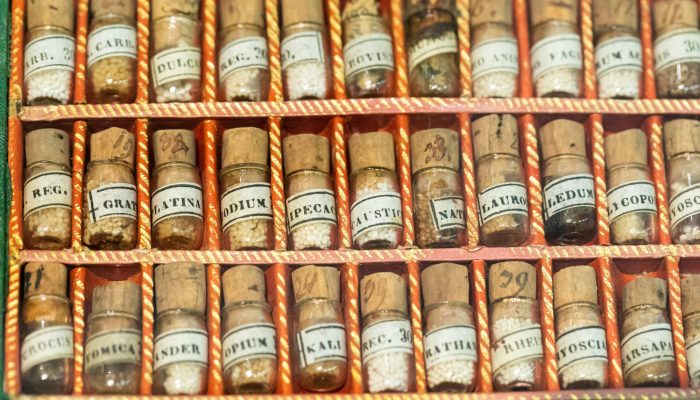
Many Victorian midwives kept small collections of homeopathic remedies alongside their other equipment.
Some of Britain’s earliest homeopathic maternity guides devoted more pages to postnatal recovery than to labour itself.
Queen Elizabeth II was widely reported to have travelled with a homeopathic medicine kit for many years, helping maintain public interest in homeopathy across several decades.
Many experienced homeopaths recommend assembling a postpartum remedy kit before the baby’s due date rather than afterwards, recognising how little spare time most parents have once their newborn arrives.
Perhaps most interestingly, many women first discover homeopathy through pregnancy and childbirth before gradually building a small family remedy kit that remains in use for years.
Creating a Postpartum Homeopathy Kit
Many expectant mothers prepare a dedicated postnatal kit several weeks before their due date.
Alongside practical essentials, some choose to include a selection of commonly used homeopathic remedies so everything is ready when the baby arrives. Having remedies organised in advance can be particularly reassuring during the sleep-deprived early days when even simple tasks feel more complicated than expected.
Some women also keep a notebook to record their birth experience, feeding patterns and recovery, making it easier to reflect on how the first weeks unfold.
The Forgotten Art of Rest
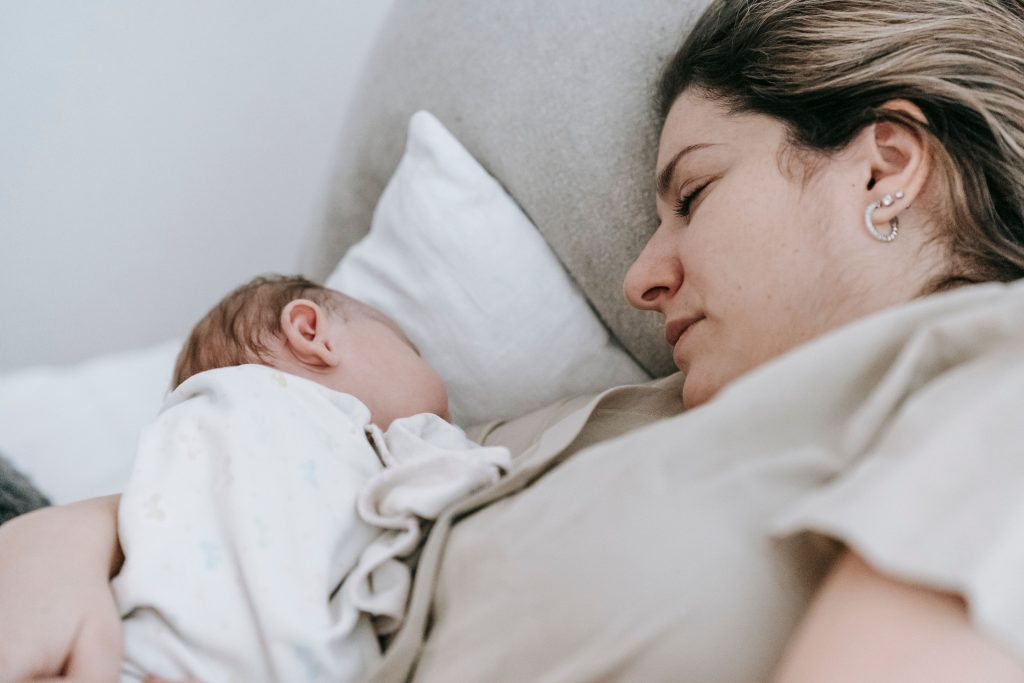
One of the most intriguing historical facts about postpartum recovery is that previous generations expected new mothers to rest far more than many do today.
Britain once observed its own version of the lying-in month. Visitors were limited, household responsibilities were reduced where possible and mothers were encouraged to remain largely indoors while recovering.
Although modern family life rarely allows for several weeks of uninterrupted rest, there is renewed appreciation for protecting the early postpartum period from unnecessary demands.
Many women now intentionally create quieter weeks after birth, limiting visitors, preparing freezer meals in advance and arranging practical help before the baby arrives.
Final Thoughts
As conversations around maternal wellbeing continue to evolve, increasing attention is being given to recovery after birth rather than focusing solely on pregnancy and labour.
The growing popularity of birth centres, continuity of midwifery care, personalised birth plans and planned home births reflects a wider interest in treating the postpartum period as an important stage in its own right.
Homeopathy fits naturally into this conversation for many families because of its emphasis on individual care and the understanding that recovery extends well beyond the day a baby is born.
The fourth trimester is a time of profound change. It is filled with interrupted sleep, remarkable resilience, tiny daily victories and moments that become treasured memories. Amidst feeding schedules, changing nappies and adjusting to life with a newborn, many mothers also discover the importance of caring for themselves with the same attention they give their baby.
For generations, women across Britain have turned to homeopathy as part of that journey. From Victorian lying-in rooms to contemporary home births, birth centres and family homes across the UK, it continues to form part of a long tradition of personalised postnatal support, one that recognises recovery after birth as every bit as important as the birth itself.
Our reading room’s an opportunity to have personal time browsing our shelves full of wisdom.
The Helen Campbell Homeopathy Foundation SCIO is a registered educational charity focused on sharing homeopathy’s fascinating history and wonderful wisdom. We’re here to inform, not prescribe!