You knew it last night. You’d gone over it on the bus. Then you turn the paper over, and the page might as well be blank.
Most of us remember a moment like that. In Scotland the exam diet runs from late April into June. In the rest of the UK, GCSEs and A-levels fill May and June. Then comes the wait for results in August. For many families it’s the most pressured stretch of the year, and it doesn’t end when the last paper is handed in.
Watch a house full of students through exam season and you’ll see how differently the pressure shows up. One goes quiet and heavy. One can’t sit still. One studies until there’s nothing left. Homeopaths have been describing those differences for a long time, and they’re what this article is about.

What exam stress does to a mind under test
Some nerves help. A bit of adrenaline sharpens attention, and plenty of students do their best work with a flutter in the stomach. Psychologists often describe it as a curve: performance rises with arousal up to a point, then falls away.
Past that point, the body is getting ready for a threat, not a maths paper. Adrenaline and cortisol rise. The heart races, breathing quickens, hands can shake. None of that is much use for a three-hour essay paper.
The mind is affected as much as the body. One well-supported explanation for “going blank” is that worry takes up working memory, the mental space you use to hold a question in your head while you work on it. A student busy thinking “I’m going to fail this” has less room left for the question in front of them. The knowledge is still there. Getting at it under pressure is the hard part.
It starts long before exam day. Memory settles overnight, so late-night cramming that eats into sleep can undo some of the day’s work. Then there’s avoidance: the topics that frighten us most are the ones we put off, so the gap grows as the date gets closer, and so does the worry. Many students recognise that loop in themselves.
The support that’s already there
Schools, families and organisations like YoungMinds offer good, practical help with exam stress, and the NHS has its own tips on preparing for exams. Breaks, sleep, food, movement, talking worries through, keeping one exam in proportion. It all works best started early, before the pressure peaks. Some students with severe anxiety also get help from their GP.
Homeopathy sits alongside all of this. What it brings is a particular way of looking. Rather than treating exam stress as one thing, it asks what this person’s stress is like: when it comes on, where it’s felt in the body, what makes it better or worse, and what the person does with it.
Different students, different pictures
In homeopathy, each remedy has a “picture”: the pattern of feelings, physical sensations and habits it’s traditionally associated with. The pictures come from provings, where healthy volunteers took a substance and recorded what they experienced, and from generations of homeopaths noting what they saw in practice. These are the pictures homeopaths most often talk about around exam time.
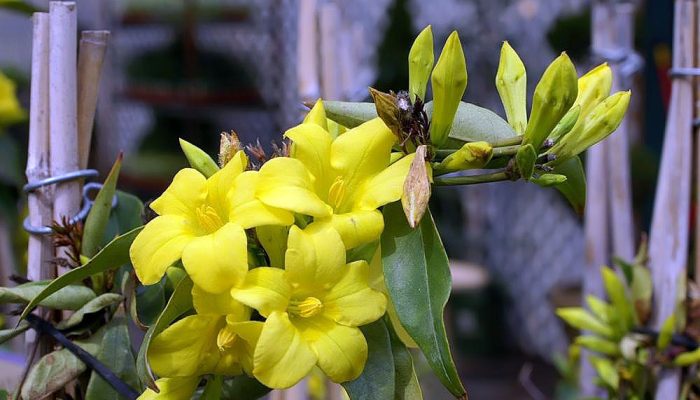
Gelsemium (yellow jasmine). The student who goes weak and heavy. Legs that feel as if they won’t hold them up, eyelids that droop, a dull and foggy head. They tremble, feel chilly, and often aren’t thirsty. Most of all they want to be left alone and not spoken to. They know the material and freeze anyway, and the dread builds for days before the event. Gelsemium is a climbing plant of the south-eastern United States, and American homeopaths brought it into the materia medica in the nineteenth century. It has been linked with stage fright and anticipatory dread ever since.
Argentum nitricum. The student who rushes. Hurried and impulsive, walking fast, talking fast, sure time is running out before the clock has started. The mind runs ahead with “what if” thoughts: what if the bus is late, what if the question I need isn’t there. Nerves go straight to the stomach, and there’s often a craving for sweets. They tend to feel the heat and want air. In the exam hall they might misread a question in their haste. Argentum nitricum is silver nitrate, the “lunar caustic” of the old apothecary’s shelf.
Lycopodium (club moss). The student who dreads it for days, convinced they’ll fail, then settles once the pen is moving. Confident on the outside, far less so underneath: sometimes bossy at home and quiet in class. The picture often includes a bloated, uncomfortable stomach and a dip in energy in the late afternoon.
Aconite (monkshood). Sudden fright. Panic that arrives out of nowhere, often after a shock: a pounding heart, a hot face, a wave of fear that something terrible is about to happen. It comes on fast and the person is restless with it, especially at night. The student who wakes at midnight the night before a paper, heart racing, is the classic image.
Kali phosphoricum. The student who has studied until there’s nothing left. Drained, irritable, sensitive to noise, struggling to concentrate or remember what they read an hour ago. Not fear so much as an empty tank. Kali phosphoricum is one of the twelve “tissue salts” described by the German doctor Wilhelm Schüssler in the 1870s, and it has long been associated with mental fatigue from overwork.
Nux vomica. The driven student running on coffee, energy drinks and too little sleep. Tense, competitive and short-tempered, frustrated by anything that gets in the way, sensitive to noise and light. They often wake in the small hours with their mind already back on the work. Nux vomica comes from the seed of the strychnine tree, and its picture is the one homeopaths reach for to describe the overworked, overstimulated person.
Telling the pictures apart
Some of these look alike at first. The detail is where they separate.
Gelsemium and Argentum nitricum are both about anticipation, but they move at opposite speeds. The Gelsemium student slows down, goes heavy and wants stillness. The Argentum nitricum student speeds up, can’t stop moving and wants to get it over with.
Lycopodium and Gelsemium both dread the exam for days. The difference shows on the day: Lycopodium tends to find its feet once it starts, while Gelsemium stays frozen.
Kali phosphoricum and Nux vomica are both about overwork. Kali phos is the student who has run out. Nux vomica is the student still running, kept going by caffeine and willpower, and getting crosser by the hour.
Two students can sit the same paper with the same knot in the stomach and be in quite different states. One wants company and reassurance. The other wants the door shut. One is cold and shaky, another hot and restless. Those are the details a homeopath pays attention to, which is why there’s no single “exam remedy” in homeopathic thinking.
The long wait for results
For many students the hardest part comes after the exams. Weeks of summer pass with results day sitting at the end of them, and nothing left to do but wait. Some put it out of their minds. Others replay every answer.
The pictures still apply. The student who lies awake going over what they wrote, the one who can’t settle to anything, the one who seems fine until the week before: each shows their worry in their own way. Results day itself can bring a fresh wave, whatever the envelope says.
Some families keep a small remedy kit at home and learn the pictures together. Others prefer to talk it through with a homeopath. Either way, the starting point is noticing.
Before the next exam season
The calm weeks are a better time for this than the night before.
- Notice what stress looks like in you, or in your child. Freeze, rush, dread or run dry? A few lines written after a mock exam or a hard day give you something real to work from.
- Notice what helps. A walk, company, quiet, food, an early night. The details that shape a homeopathic picture often point to what a person needs as well.
- Notice the timing. Days before, the morning of, or afterwards? Worry that builds slowly and worry that strikes suddenly look quite different.
- Talk about results day before it arrives. Knowing there’s a plan, whatever the envelope says, takes some of the weight off August.
Related reading: What’s in Helen’s Remedy Kit? and Homeopathy for Tics and Tourette’s in Children.
Our reading room’s an opportunity to have personal time browsing our shelves full of wisdom.
The Helen Campbell Homeopathy Foundation SCIO is a registered educational charity focused on sharing homeopathy’s fascinating history and wonderful wisdom. We’re here to inform, not prescribe!
Written with AI assistance and checked by our team.