Introduction
The use of homeopathy in UK sheep farming, particularly during the critical lambing season, has evolved from a fringe alternative practice to a recognised tool for reducing antibiotic dependency and improving animal welfare. While scientific consensus remains divided, with mainstream veterinary bodies often attributing success to the placebo effect or improved management, a growing number of farmersm especially in organic and upland sectors, report significant benefits. In Scotland, where harsh weather and remote locations characterise upland farming, homeopathy offers a low-stress, cost-effective first line of defence during lambing
The Context of Lambing in the UK and Scotland
Lambing in the UK generally occurs between January and April, with Scottish hill flocks often lambing later, from March to May, to align with the emergence of spring grass and milder weather. This period is the most labour-intensive and high-risk time for sheep farmers. Complications such as dystocia (difficult birth), prolapse, and post-birth infections like mastitis are common. In Scotland’s rugged terrain, where veterinary call-out times can be prolonged due to distance and weather, the ability of a shepherd to manage complications immediately is vital.
Key Homeopathic Remedies for Lambing
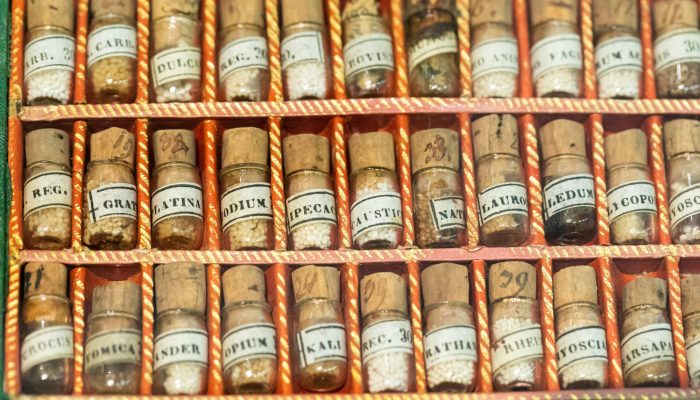
Practitioners and experienced farmers utilise a specific repertoire of remedies tailored to the physiological and emotional stresses of birth. These are often administered in potency forms (such as 30c) via mouth, water troughs, or feed.
Arnica montana is perhaps the most ubiquitous remedy used post-lambing. Regardless of whether the birth was assisted or natural, shepherds administer Arnica to address internal bruising and trauma to the uterus. Proponents argue that by accelerating the mother’s physical recovery, energy is diverted more quickly to milk production, benefiting the newborn lambs.
Sepia is frequently employed for exhausted ewes, particularly those reluctant to mother their lambs or allow them to suckle due to fatigue. It is also used for prolapse recovery.
Hepar sulphuris is utilised for infected wounds and abscesses, such as those resulting from tears or mastitis, acting to localise infection and promote healing. For blood loss following a difficult birth, Hamamelis (often referred to historically as sea kale in older texts, though distinct from the vegetable) is sometimes cited, alongside
Carbo vegetabilis for collapsed or ‘half-dead’ lambs requiring resuscitation.
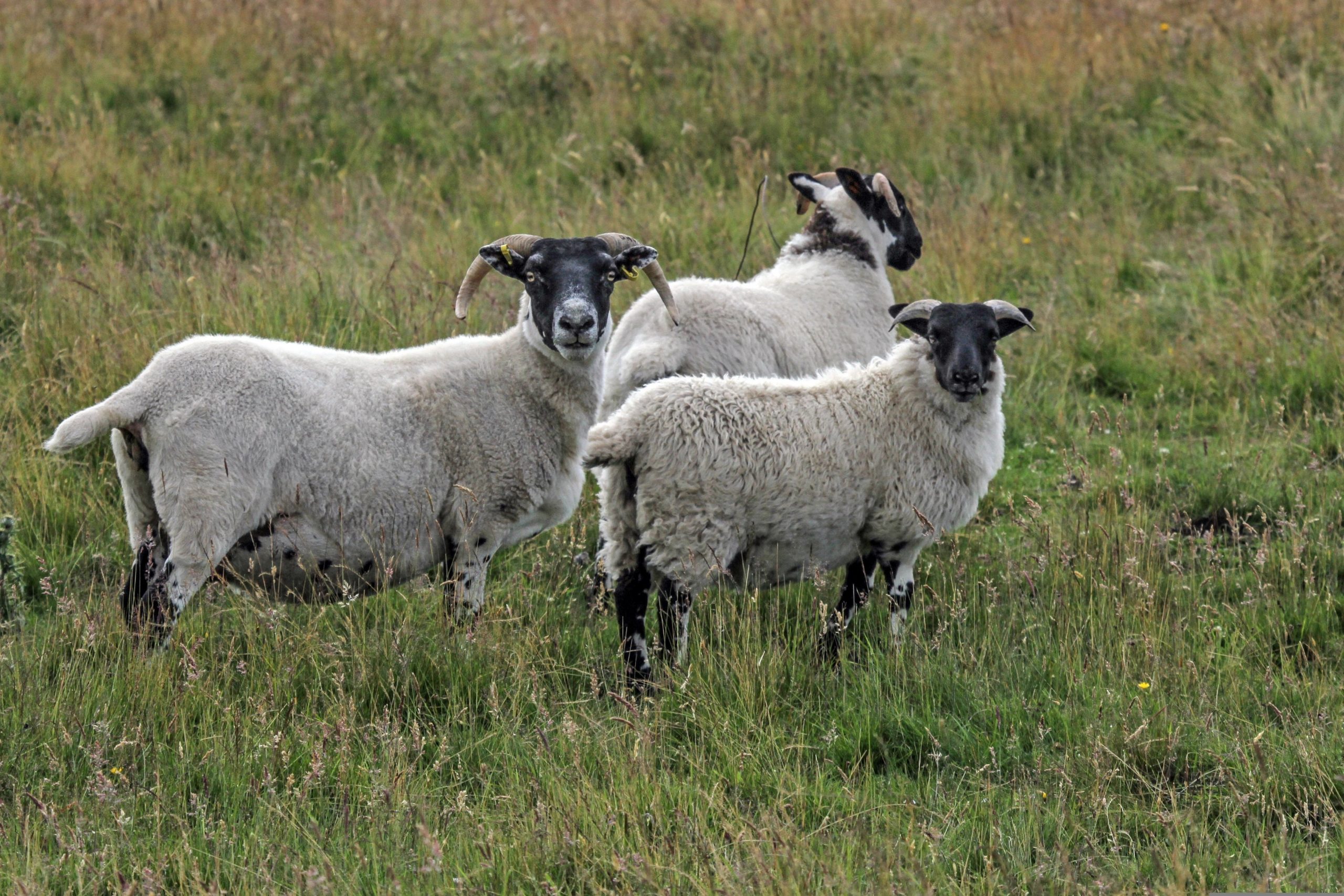
In the uplands, farmer Naomi Oakley, who farms on Dartmoor (a landscape similar to many Scottish hill farms), reported a 64% reduction in antibiotic use after training with the “Homeopathy at Wellie Level” (HAWL) programme. She replaced routine antibiotic injections for difficult lambings with Caulophyllum and treated foot rot with Hepar sulph instead of antibiotics. Oakley noted that even sceptical family members began using remedies like Carbo vegetabilis on failing lambs with perceived “miracle” results.
Relevance to Scottish Farming
The specific conditions of Scottish agriculture make homeopathy an attractive option for many crofters and hill farmers.
1. Reduction of Antibiotic Resistance: Scotland has been proactive in addressing antimicrobial resistance (AMR). The Scottish Government and industry bodies like Quality Meat Scotland (QMS) have set targets to reduce antibiotic use in livestock. Homeopathy aligns with these goals by offering a non-antibiotic intervention for common ailments. Prince Charles (now King Charles III), a vocal advocate for organic farming, has publicly endorsed the use of homeopathy on his estates (including Scottish holdings like Birkhall) to reduce antibiotic reliance, lending high-profile support to the practice.
2. Remote and Upland Challenges: In the Highlands and Islands, a veterinary surgeon may be hours away during a snowstorm. Homeopathic kits, which are inexpensive (a basic birthing kit costs around £25–£40), allow shepherds to intervene immediately. The ‘stress theory’ posited by organisations like HAWL suggests that treating animals during high-stress events (like the cold stress of a Scottish spring) can prevent disease onset, a crucial factor in harsh climates.
3. Organic and Assurance Schemes: Scotland has a high concentration of organic farms. Organic standards restrict the use of conventional medicines, often mandating longer withdrawal periods or limiting the number of treatments an animal can receive before losing its organic status. Homeopathy, which has no withdrawal period for meat or milk, provides a compliant treatment option that helps farmers maintain certification and market access. d stories in the history of medicine, conventional or otherwise.
Practical Implementation for Shepherds
For Scottish shepherds interested in adopting homeopathy, the approach is typically incremental. It does not usually involve abandoning conventional veterinary care entirely but rather using homeopathy as a first-aid measure or alongside conventional treatments.
- Training: Organisations like HAWL and the Soil Association offer courses specifically designed for farmers, focusing on practical application rather than deep theoretical study.
- Kits: Farmers often start with a ‘lambing kit‘ containing key remedies like Arnica, Caulophyllum, Sepia, and Aconite (for shock/fear).
- Administration: Remedies are easily administered by crushing tablets into the mouth, dissolving in water for a drench, or adding to the drinking trough for group treatment during disease outbreaks.
Final Thoughts
Homeopathy for lambing in the UK, and specifically in Scotland, represents a convergence of traditional shepherding intuition, economic necessity, and the urgent need to reduce antibiotic usage. While the scientific community continues to debate the mechanisms, the anecdotal evidence from farmers like Lynnie Hutchison and Naomi Oakley suggests that for many, it is a vital component of a holistic flock health plan. In the remote, challenging environment of Scottish hill farming, the ability to treat stress, trauma, and infection immediately with safe, low-cost remedies offers a pragmatic solution that supports both animal welfare and farm viability.
As pressure mounts to sustainable farming practices, the role of homeopathy in the Scottish shepherd’s toolkit is likely to remain significant.
Our reading room’s an opportunity to have personal time browsing our shelves full of wisdom.
The Helen Campbell Homeopathy Foundation SCIO is a registered educational charity focused on sharing homeopathy’s fascinating history and wonderful wisdom. We’re here to inform, not prescribe!