Introduction
Scotland remains a unique landscape for healthcare within the United Kingdom.
For anyone interested in homeopathy it is essential to understand that Scotland is currently the only nation in the UK where homeopathy continues to receive routine funding through the National Health Service (NHS). NHS England decided in 2017 to stop prescribing homeopathic remedies, and the High Court upheld that decision in 2018. In Scotland, funding decisions sit with each health board: in 2015/16, six of Scotland’s 14 boards spent about £1.7 million on homeopathy between them. That keeps homeopathy an option for some patients seeking holistic care for chronic and complex conditions.
The Central Hub: Centre for Integrative Care
The primary provider of NHS homeopathy in Scotland is the Centre for Integrative Care in Glasgow. Located on the campus of Gartnavel General Hospital, this facility was formerly known as the Glasgow Homeopathic Hospital. In 2014, it was rebranded to reflect a broader multidisciplinary approach, yet homeopathy remains a core component of its clinical offering.
The Centre works with people living with long-term conditions. These include chronic pain syndromes, fibromyalgia, medically unexplained symptoms, severe anxiety, and skin conditions such as eczema and psoriasis. Care is offered on an outpatient basis.
For those residing in the central belt, the Centre serves as the main point of access. It employs practitioners who often hold dual qualifications in conventional medicine and homeopathy, ensuring that care is delivered with a full understanding of the patient’s wider medical context. The environment is designed to be supportive and calming, recognising the role of the therapeutic setting in the healing process.
Navigating Referral Pathways Across Health Boards
Access to homeopathy in Scotland is managed by individual NHS boards, leading to some variation in how patients can access services depending on their location.
NHS Greater Glasgow and Clyde This health board has been the largest funder of homeopathy in Scotland, accounting for the majority of the national expenditure (almost £1.3 million of the £1.7 million spent in 2015/16). Patients registered with a GP in this area generally have the most straightforward pathway to care. GPs in this region are accustomed to referring patients to the Centre for Integrative Care for assessment and treatment.
Other Scottish Health Boards Outside Greater Glasgow and Clyde, access depends on your own health board, because it has to agree to fund a referral. NHS Lothian, NHS Highland and NHS Lanarkshire stopped referring patients to the Centre in 2015, so a referral from those areas is unlikely to be funded. Other boards’ policies vary.
The Process: Wherever you live, the first step is your GP. If the GP agrees that specialist integrative care could help, they can check whether your health board will fund a referral to the Centre in Glasgow.
Centralised Care: This model keeps specialist expertise in one place.
While local pharmacies in some boards may no longer dispense homeopathic remedies on prescription, the route via the Centre remains open to patients whose board funds the referral.
Clinical Focus
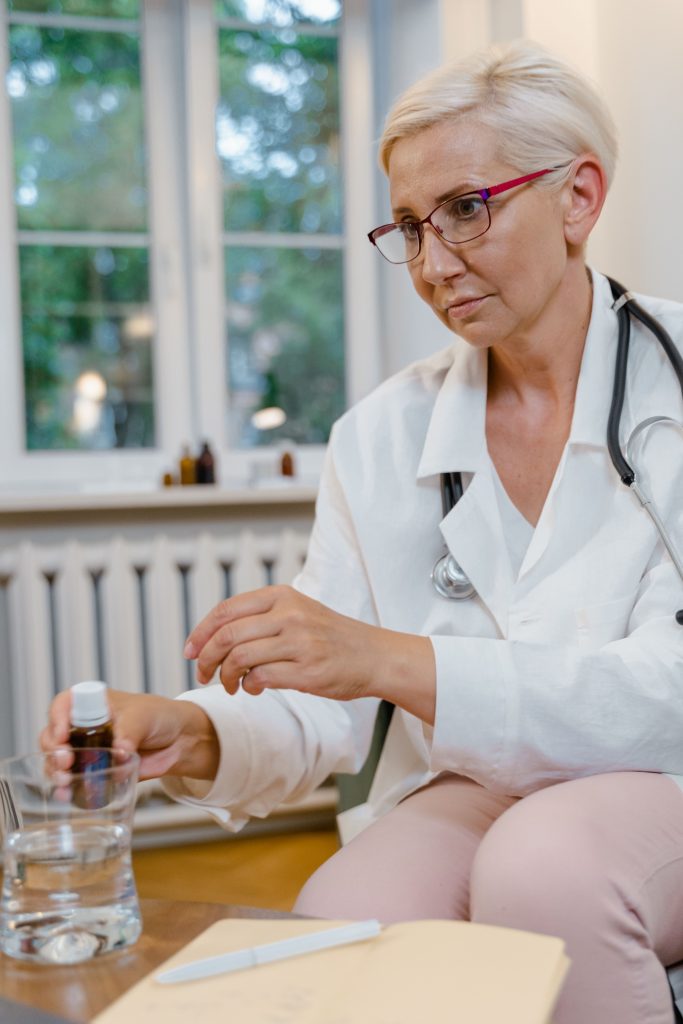
The services in Scotland focus on long-term conditions and quality of life, alongside the rest of a patient’s NHS care.
Chronic Pain and Fibromyalgia A significant proportion of referrals to the Centre involve patients suffering from chronic pain and fibromyalgia.
The integrative model allows homeopathy to be used alongside physiotherapy and pain management programmes, as part of a holistic approach to living with long-term pain.
Medically Unexplained Symptoms For patients who experience genuine distress and disability but have normal test results, the Centre provides a validating and therapeutic environment. Conditions such as irritable bowel syndrome (IBS), chronic fatigue, and tension headaches are commonly treated.
A homeopathic consultation is long and detailed, and that time to be heard is part of what the approach offers. Homeopathic prescribing in these cases looks at the overall pattern of symptoms rather than one complaint.
Dermatology and Allergies Skin conditions and allergies are also key areas of practice. Patients with eczema, psoriasis and hay fever often seek homeopathy, and many use it alongside their conventional treatment rather than instead of it.
The Integrative Model of Care
It is important for subscribers to understand that NHS homeopathy in Scotland operates within an integrative framework. This means it is not positioned as an alternative to conventional medicine but as a complement to it.
Practitioners at the Centre for Integrative Care work collaboratively with the patient’s GP and other specialists. This ensures safety and coordination. For example:
Mental Health: Homeopathy is often used alongside cognitive behavioural therapy (CBT) and counselling for patients with anxiety and depression, providing a multi-layered approach to mental well-being.
This collaborative approach keeps homeopathy within the wider context of the patient’s healthcare.
How the Service Has Changed
The Centre has been through several reviews. In 2014 there were proposals to refocus it as Scotland’s first dedicated centre for chronic pain, and in 2017 the health board put forward plans that included closure. Through these changes the Centre has kept its outpatient service, and homeopathy has remained part of what it offers.
How to Access Care: A Step-by-Step Guide
For subscribers in Scotland wishing to explore homeopathy through the NHS, the following steps are recommended:
- Consult Your GP: The journey begins with a conversation with your General Practitioner. Discuss your current health challenges, particularly if you’re living with a chronic condition.
- Request a Referral: Ask specifically about a referral to the Centre for Integrative Care in Glasgow. Be clear about your interest in homeopathy and integrative medicine.
- Provide Context: Tell your GP what you’ve already tried and what you’re hoping for. If you live outside Greater Glasgow and Clyde, ask whether your health board will fund the referral.
- Await Assessment: If referred, you will undergo a comprehensive assessment at the Centre. This will determine the most appropriate treatment plan, which may include homeopathy, acupuncture, or other complementary therapies.
- Engage with Treatment: If accepted for treatment, attend your appointments regularly and maintain open communication with both the Centre staff and your GP.
Final Thoughts
The continued funding of homeopathy in Scotland offers a rare and valuable resource for patients within the UK. With the Centre for Integrative Care serving as a beacon of holistic practice, patients can access an integrative approach to their care.
The system relies on GP referrals and varies by health board, but for many people with chronic and complex needs the pathway remains open. By understanding how to navigate this system, subscribers can take proactive steps to access care that aligns with their health beliefs and needs. The Scottish model demonstrates that integrative care can coexist with conventional medicine, providing a broader spectrum of support for the nation’s health.
Our reading room’s an opportunity to have personal time browsing our shelves full of wisdom.
The Helen Campbell Homeopathy Foundation SCIO is a registered educational charity focused on sharing homeopathy’s fascinating history and wonderful wisdom. We’re here to inform, not prescribe!