Introduction
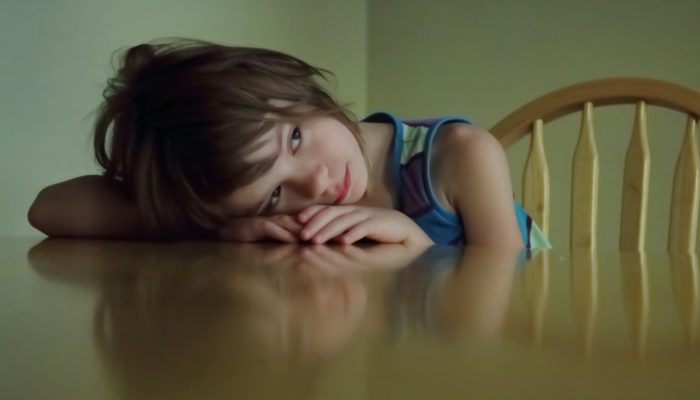
Exhaustion has become one of Britain’s most common health complaints. Not just tiredness after a long day, but something deeper. The kind that doesn’t lift after a weekend off. The kind that affects concentration, motivation, sleep, and how you feel about getting out of bed in the morning.
Long hours, poor sleep, emotional pressure, family demands, and the constant pull of screens all contribute. Most people recognise the feeling. Fewer know what to do about it beyond pushing through.
For more than 200 years, people across the UK have used homeopathy as a way to address exhaustion. Not by treating everyone the same, but by looking at the individual: what kind of tiredness they experience, when it’s worst, what else is going on in their life, and what their body and mind are telling them.What health exhaustion actually looks like
What health exhaustion actually looks like
Health exhaustion isn’t about needing an early night. It’s a pattern that builds over time and starts to affect everything.
People dealing with it describe things like:
- Fatigue that sleep doesn’t fix
- Brain fog and poor concentration
- Feeling overwhelmed by things that used to be manageable
- Low resilience to stress
- Emotional sensitivity that wasn’t there before
- Slower recovery after even moderate effort
- Motivation dropping to a level that worries them
The experience is different for everyone. That’s part of what makes it hard to address with a single solution.
Why people choose homeopathy for this
The appeal is straightforward. A homeopathic consultation doesn’t start with the symptom and work backwards to a prescription. It starts with the person.
Initial consultations typically last between one and two hours. That’s unusual in any kind of healthcare. In that time, a homeopath explores:
- Physical health and symptoms
- Sleep patterns
- Emotional state
- Stress and lifestyle
- Energy levels through the day
- Personal and medical history
- What makes things better or worse
The aim is to understand the full picture before selecting a remedy. Not to fit the person into a category, but to find the remedy that matches them specifically.
How remedies are chosen
This is the part that surprises most people. Two individuals with identical levels of exhaustion may receive completely different remedies.
One person becomes anxious and restless when exhausted. Another withdraws and goes quiet. Someone else gets irritable after long days. Another feels physically heavy and sluggish all day.
These differences matter. A homeopath uses them to guide remedy selection, looking not just at the fatigue itself but at the circumstances behind it. Did it start after illness? After bereavement? After months of overwork? After an emotional shock?
The remedy follows the person, not the diagnosis.
Remedies commonly considered
Several remedies come up frequently when homeopaths work with exhaustion, each associated with a different pattern:
Kali Phosphoricum — often considered after prolonged study, emotional strain, or demanding intellectual work. Associated with mental fatigue and nervous exhaustion.
Nux Vomica — a familiar choice for the modern professional: long hours, irregular meals, poor sleep, too much caffeine. The remedy for someone who won’t stop even when their body is telling them to.
Phosphoric Acid — where exhaustion follows grief, emotional disappointment, or prolonged worry. A deeper, quieter kind of depletion.
Gelsemium — for profound weakness, heaviness, and sluggishness. The person who feels too tired to move or think.
Arsenicum Album — associated with people who keep pushing despite being completely depleted. Often anxious and restless with it.
Calcarea Phosphorica — frequently considered during recovery from illness. Traditionally linked with rebuilding strength after prolonged physical weakness.
A longer history than most people realise
Homeopathy arrived in Britain in the early nineteenth century and took hold quickly. By the Victorian era, homeopathic hospitals had opened in London, Liverpool, Bristol, Glasgow, and Tunbridge Wells.
The British Royal Family has employed homeopathic physicians for successive generations. That association has kept public awareness alive for decades.
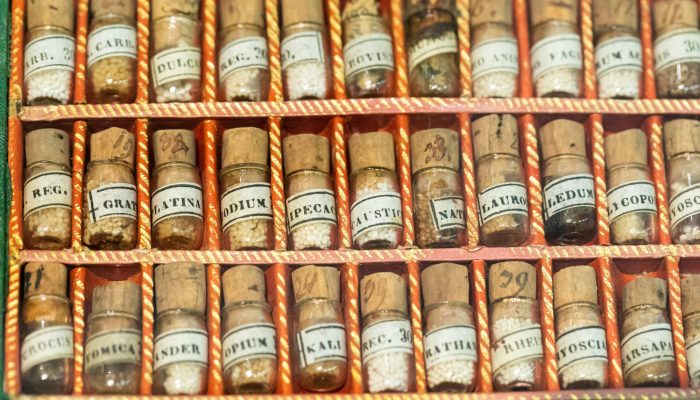
One detail that tends to fascinate people: wealthy Victorian households often owned elegant travelling homeopathic medicine chests. Polished wooden cases packed with dozens of tiny remedy vials, taken on railway journeys and overseas voyages. Some of these kits survive today and are highly prized by collectors.
Several nineteenth century polar expeditions also carried homeopathic medicine kits among their supplies. Compact, lightweight, and practical for remote environments where conventional medical resources were limited.
Britain’s oldest specialist homeopathic pharmacy has been preparing remedies continuously since the Victorian era, using methods that have changed very little over the generations.

Mental burnout
Modern exhaustion is increasingly mental rather than physical. Constant emails, notifications, meetings, and decisions gradually drain cognitive energy.
Psychologists call this decision fatigue: the phenomenon where repeated choices reduce your ability to concentrate as the day goes on. By evening, even simple decisions feel difficult.
What often goes unnoticed is how exhaustion changes the way people connect with others. Energy drops and people withdraw. Social plans get cancelled. Conversations feel like effort. The connections that normally sustain us quietly fall away, and that isolation becomes both a symptom and something that makes the exhaustion worse.
Homeopathic consultations often explore these pressures in detail. Burnout rarely arrives overnight. It builds. A good consultation traces how it developed, not just where it ended up.
Recovery after illness
Some people seek homeopathic support after illnesses that leave them feeling weak long after the infection has passed. The virus is gone but the energy hasn’t come back.
Convalescence has always been an important area of homeopathic practice. The approach isn’t just about the fatigue. It considers how the whole person is recovering: sleep, appetite, mood, motivation, physical strength.
Why the individual matters
Three people can all describe themselves as exhausted and mean completely different things.
One struggles emotionally. Another can’t think clearly. A third has no physical energy but is mentally fine.
Homeopathy treats these as different situations requiring different remedies. The aim is to match the remedy to the person, not the label.
This has been central to homeopathic practice since it began. It’s also why consultations take as long as they do. Understanding the individual takes time.
Where to start
If any of this has sparked your curiosity, the best first step is simply to learn more. Read about the remedies. Explore how homeopathy approaches health differently. Talk to people who’ve experienced it. Attend an event or a talk where questions are welcome.
Homeopathy has a long tradition of being shared through conversation and community, not just clinical appointments. Understanding the principles, even at a basic level, can change how you think about your own health and what your body might be telling you.
Our reading room’s an opportunity to have personal time browsing our shelves full of wisdom.
The Helen Campbell Homeopathy Foundation SCIO is a registered educational charity focused on sharing homeopathy’s fascinating history and wonderful wisdom. We’re here to inform, not prescribe!