Introduction
Upper respiratory tract infections (URTIs) are among the most familiar, and seasonally disruptive, conditions encountered in everyday clinical practice. Coughs, colds, sore throats, sinus congestion and influenza-like illnesses cluster in the colder months, shaping patterns of absence from work and school and placing a recurrent burden on families and communities. For practitioners and experienced users of homeopathy alike, URTIs represent a rich area for individualised prescribing, close observation and refinement of case analysis.
The seasonal weight of URTIs
URTIs account for a significant proportion of acute illness each winter in the UK. Adults typically experience two to four colds per year, while children may experience six to eight, with clear peaks between late autumn and early spring. In school-aged children, respiratory infections remain one of the most common reasons for missed school days, and among older adults they are a frequent trigger for prolonged convalescence.
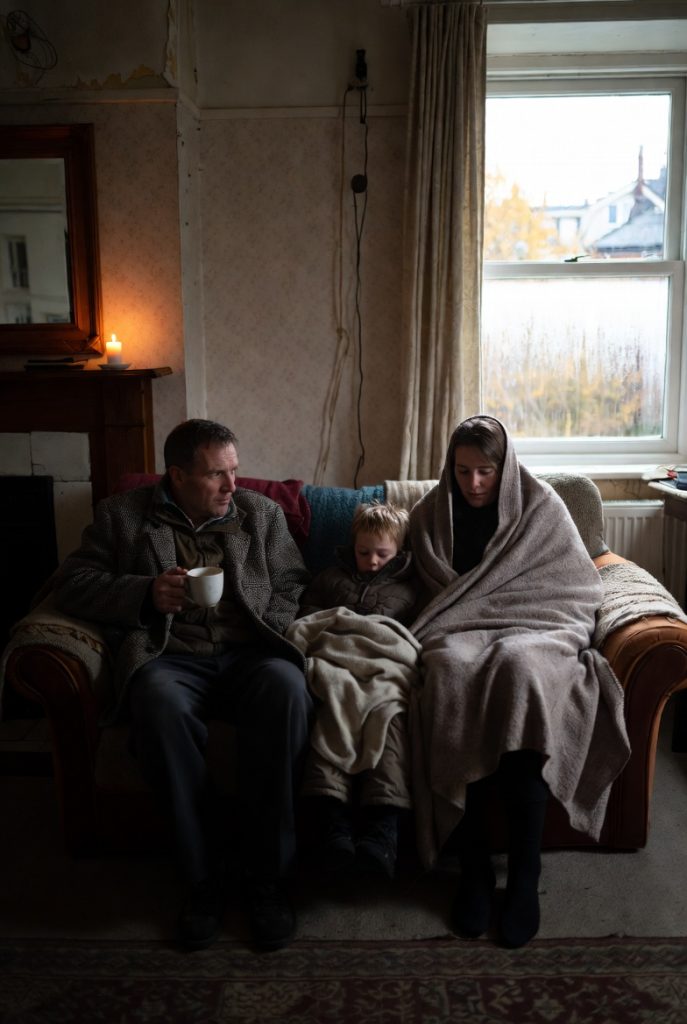
In Scotland, upper and lower respiratory tract infections continue to feature prominently in winter health statistics. Recent research using linked Scottish administrative data has drawn attention to early-life vulnerability: a 2025 study found that children living in social and private rented housing had a higher risk of acute lower respiratory tract infection hospital admission in the first two years of life than those in owner-occupied homes. The findings suggest that respiratory health inequalities may be tied to housing tenure, possibly reflecting factors such as damp, overcrowding, indoor air quality and thermal comfort. Although the study focused on lower respiratory infections, it reinforces a wider point: recurrent URTIs often sit on a continuum of respiratory susceptibility shaped by environment as well as constitution.
For the homeopathic practitioner, this aligns naturally with long-held principles concerning susceptibility, vitality and the influence of external stressors on health.
Common URTI problems at this time of year
While URTIs present in countless individual variations, several recurring problems tend to dominate during the colder months. Three in particular merit closer attention.
1. Recurrent colds and lingering infections
One of the most frequent complaints during winter is not simply catching a cold, but failing to fully recover before the next one arrives. Many people report a near-continuous cycle of sore throat, nasal discharge and cough lasting for weeks or even months.
From a homeopathic perspective, this pattern often raises questions about incomplete resolution of acute illness. Lingering catarrh, post-viral fatigue or a cough that ‘never quite clears’ may point to remedies that were partially similar but did not fully meet the totality of symptoms, or to a constitutional picture that predisposes to repeated infections.
Seasonal factors are significant. Reduced daylight, colder temperatures and more time spent indoors all influence immune responsiveness. Heated indoor environments can dry mucous membranes, while poor ventilation may increase exposure to circulating pathogens. The Scottish housing data mentioned earlier underscores how physical surroundings can amplify these effects, particularly in homes affected by damp or inadequate heating.
Experienced homeopathy users will recognise the importance of observing not only the presenting symptoms, such as the character of nasal discharge or the timing of cough, but also the person’s overall reaction to illness. Do infections develop suddenly or gradually? Is there marked exhaustion, irritability or emotional withdrawal? These nuances often guide remedy choice more effectively than the diagnostic label alone.
2. Sinus congestion and headaches
Another hallmark of winter URTIs is sinus involvement. Facial pressure, blocked or alternating nostrils, thick nasal discharge and frontal headaches are widely reported during colder months. Shorter days and reduced exposure to fresh air can exacerbate congestion, while repeated infections may sensitise the sinuses.
Statistically, sinus symptoms accompany a substantial proportion of adult colds, with estimates suggesting that up to 90% of viral URTIs involve some degree of sinus inflammation. Although most cases resolve without complication, the discomfort and impact on concentration, sleep and work productivity are considerable.
Homeopathic case-taking in sinus-dominant URTIs often focuses on modality and sensation. Is the pain bursting, pressing or stitching? Is it worse from warmth, cold air, bending forward or lying down? Seasonal aggravation is also relevant: some individuals reliably develop sinus symptoms every winter, suggesting a cyclical susceptibility rather than isolated acute episodes.
In well-informed lay practice, this is often where remedy relationships and past prescribing history become especially valuable. Observing how previous remedies have acted across seasons can reveal patterns that inform future acute prescribing.
3. Coughs that disturb sleep
Night-time cough is one of the most troublesome URTI symptoms reported at this time of year. Whether dry and tickling or loose and rattling, coughs that worsen on lying down disrupt sleep for both the affected person and those around them.
Data from UK primary care consistently show that cough is among the top reasons for winter consultations, and it remains one of the most persistent symptoms following URTIs. For many, the cough lingers long after other symptoms have resolved.
In homeopathic assessment, the character of the cough—its sound, triggers and timing—is central. A cough that worsens at midnight carries different implications from one that peaks in the early morning. Sensitivity to cold air, relief from warmth, or aggravation in heated rooms can all be decisive details.
At this time of year, coughs are also shaped by environmental conditions. Cold outdoor air contrasted with dry indoor heating can irritate the respiratory tract, particularly in those already prone to bronchial sensitivity. Again, the Scottish findings on housing conditions serve as a reminder that respiratory symptoms often reflect the interaction between individual susceptibility and physical environment.
Homeopathy’s approach to URTIs
For those familiar with homeopathic principles, URTIs provide a clear illustration of individualised medicine in action. Two people may share the same diagnosis, ‘a winter cold’, yet require entirely different remedies based on their unique symptom expression, temperament and response to illness.
Acute prescribing for URTIs often involves close observation over short time frames. Symptoms may evolve rapidly, requiring reassessment and adjustment. Well-informed users frequently note that successful prescribing in acute respiratory illness sharpens remedy differentiation skills, reinforcing attention to small but significant details.
Equally important is the recognition of patterns over time. Recurrent URTIs, seasonal predictability and incomplete recovery all raise questions about deeper layers of susceptibility. In such cases, acute episodes may sit alongside longer-term constitutional considerations, an approach long embedded in classical homeopathic practice.
Social context and respiratory health
The inclusion of housing-related data in discussions of respiratory infection is particularly relevant in the current climate. The 2025 Scottish study linking housing tenure to early-life respiratory hospital admissions highlights how health outcomes are shaped by more than pathogens alone. Damp, mould, overcrowding and fuel poverty are not abstract concepts; they are lived realities that influence respiratory resilience from infancy onward.
For homeopathy professionals, this resonates with the understanding that external stressors, physical, emotional and environmental, interact with the vital force. While remedy selection remains grounded in individual symptomatology, awareness of these broader influences enriches case understanding and contextual sensitivity.

Commonly used homeopathic remedies in seasonal URTIs
Within winter presentations of upper respiratory tract infections, a number of homeopathic remedies appear repeatedly in both clinical practice and experienced self-care. Their frequent use reflects the regularity with which certain symptom patterns arise during colder months, rather than any generalised indication for respiratory illness.
For acute colds with sudden onset, particularly following exposure to cold, dry wind or abrupt weather changes, Aconitum napellus is often considered early in the course of illness. These presentations are typically marked by rapid symptom development, pronounced chilliness, restlessness and heightened sensitivity to cold air. When the acute picture moves beyond this initial stage, developing more heat, dryness or inflammatory intensity, Belladonna may come into focus, especially where there is throbbing discomfort, flushed mucosa and a sense of pressure in the head or throat.
In cases where nasal congestion and catarrh dominate from the outset, Allium cepa is frequently encountered. Its characteristic profuse, irritating nasal discharge, often accompanied by bland lacrimation, is a familiar winter pattern. Where the discharge is thicker, more yellow or green, and symptoms worsen in warm indoor environments but improve in open air, Pulsatilla is often explored, particularly in colds that evolve gradually rather than striking suddenly.
For recurrent or lingering colds, especially where symptoms appear to shift or relapse repeatedly without full resolution, remedies such as Sulphur or Calcarea carbonica may be considered. These cases often show broader constitutional features alongside the acute symptoms, including sensitivity to temperature extremes, fatigue following minor illness, or a tendency for infections to settle in the upper respiratory tract each winter. Damp weather aggravation, a sense of heaviness, or prolonged convalescence are common contextual features in these patterns.
Where sinus involvement is prominent, Kali bichromicum is frequently discussed, particularly in cases with thick, stringy nasal discharge and a sensation of pressure at the root of the nose or across the sinuses. In contrast, Silicea may be considered when sinus infections are slow to resolve, recurrent, or associated with sensitivity to cold air and poor response to seasonal changes.
For coughs that disturb sleep, remedy differentiation often hinges on timing, position and environmental triggers. Drosera is well known in dry, spasmodic coughs that worsen at night and interrupt sleep repeatedly. Hepar sulphuris may come into view when coughs are triggered by cold air exposure and accompanied by marked sensitivity and irritability, while Bryonia is frequently considered where coughs are painful, aggravated by movement and associated with a need for stillness.
Across all these examples, the remedies themselves are familiar to experienced homeopathy users. What remains central is not their routine application, but the careful matching of remedy picture to the individual expression of illness. Seasonal prevalence simply ensures that these patterns and the remedies associated with them are encountered with greater regularity during the winter months.
Final Thoughts
Upper respiratory tract infections remain a defining feature of the colder months, bringing with them familiar challenges: recurrent colds that fail to resolve, sinus congestion that clouds daily functioning, and coughs that erode restorative sleep. Statistics confirm their prevalence, while recent Scottish research reminds us that respiratory vulnerability is unevenly distributed across society.
Within homeopathic practice, URTIs offer both immediacy and depth. They demand careful listening, precise observation and an appreciation of seasonal and environmental influences. For well-informed lay people, engaging with these acute illnesses through a homeopathic framework often deepens understanding not only of remedies, but of personal patterns of health and susceptibility.
As winter continues to shape the rhythm of respiratory illness, the homeopathic approach to URTIs remains a nuanced and responsive field, one that reflects the complexity of human health in context, rather than reducing it to uniform categories or outcomes.
Our reading room’s an opportunity to have personal time browsing our shelves full of wisdom.
The Helen Campbell Homeopathy Foundation SCIO is a registered educational charity focused on sharing homeopathy’s fascinating history and wonderful wisdom. We’re here to inform, not prescribe!